India Is Growing Older & Failing Its Elders

  • | Tuesday | 10th March, 2026

BY Alok Verma

India is changing in ways we are not yet ready to acknowledge. For decades we celebrated the idea of India as a young nation, a country of energy and demographic advantage. But quietly another reality is unfolding. India is ageing. And we are not prepared for it.

The number of Indians above the age of sixty is rising rapidly. There were about 100 million elderly citizens in 2011. By 2036 that number is projected to cross 230 million. By 2050 it may exceed 340 million. Within a few decades India could have more elderly people than children. Yet our cities, institutions and social behaviour show little sign of adapting to this emerging reality.

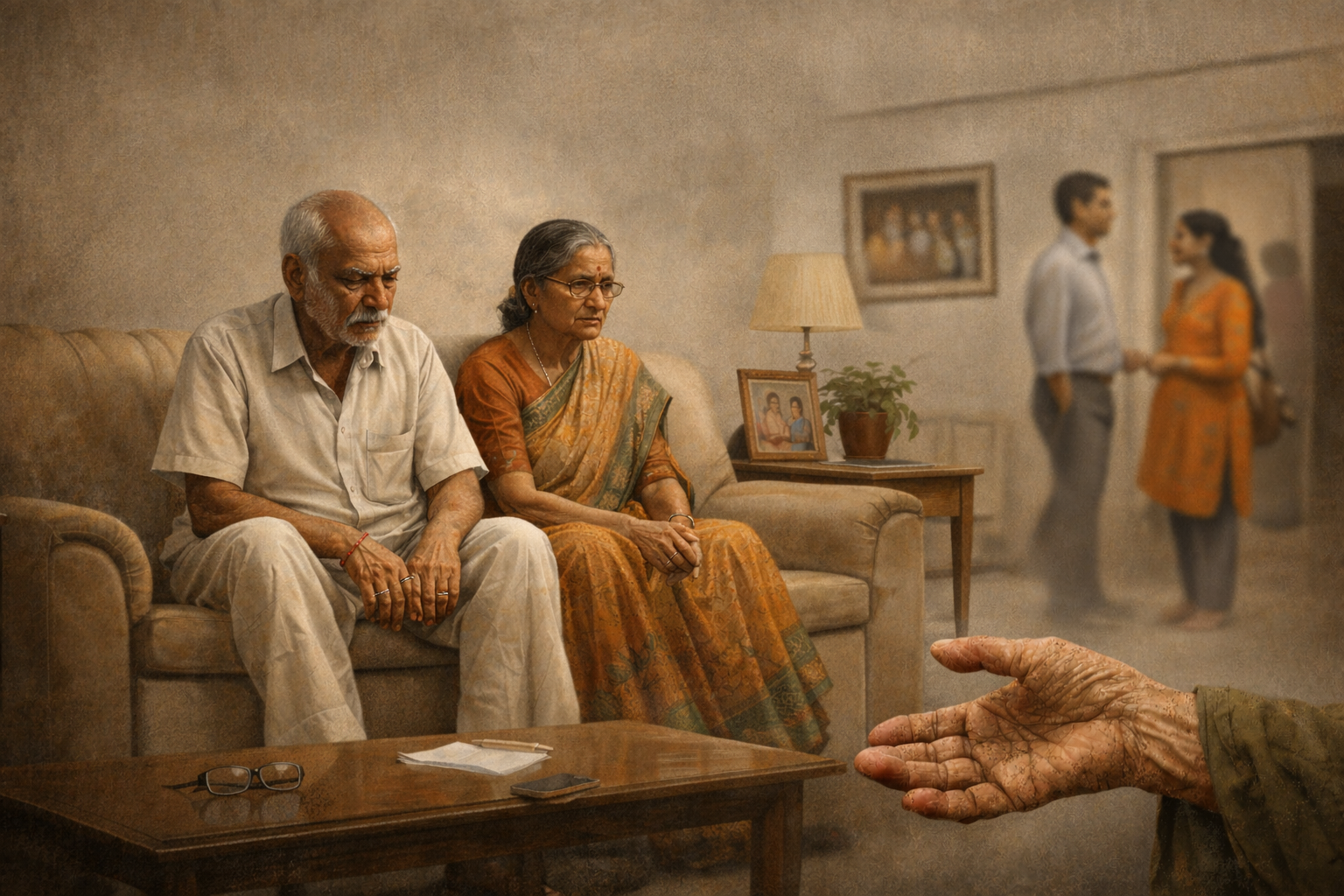
One of the most difficult transitions many Indians experience is retirement. For years they remain deeply engaged in professional life. They lead teams, build institutions and raise families. Then retirement arrives and the social relevance that once defined their identity disappears almost overnight.

India offers very few structured avenues where retired professionals can remain meaningfully engaged. In many countries senior citizens mentor young professionals, volunteer in community services or participate in civic advisory groups. Their experience is seen as a valuable national resource. In India the system rarely knows what to do with this reservoir of knowledge. A lifetime of experience quietly fades into inactivity.

Respect for elders was once a defining value of Indian society. That value is visibly weakening. One does not need research reports to see it. It is visible every day in buses, metro stations, hospitals, markets and day today transactions in social behaviour.

Seats reserved for senior citizens are occupied by younger passengers who avoid eye contact with elderly people standing nearby. In crowded places younger commuters push past older citizens without hesitation. Many elderly people struggle to board buses, cross busy roads or climb staircases while others watch without offering help.

The problem goes beyond public indifference. Reports of neglect and abuse within families are also rising. Organizations such as HelpAge India receive thousands of complaints each year from elderly citizens facing emotional neglect, verbal humiliation, financial exploitation or even physical mistreatment. In many cases the abuse comes from within the family itself. Elderly parents often depend entirely on their children for financial support and housing. That dependence makes them vulnerable. Many tolerate disrespect quietly because they fear disturbing family relationships.

The government enacted the Maintenance and Welfare of Parents and Senior Citizens Act in 2007 to address such situations. The law allows elderly parents to seek financial support from their children. Yet the existence of such a law tells a troubling story. Care and respect for parents, once considered natural, now sometimes require legal enforcement.

Neglect is not only emotional. It is also social. India has very few platforms where elderly citizens can remain active participants in public life. Many retired individuals still have the ability and desire to contribute. They could mentor students, guide young entrepreneurs or support community organizations. Yet society rarely creates systems that allow such engagement. A nation that celebrates youth often forgets that experience and wisdom are also valuable national assets.

Loneliness has therefore emerged as another silent crisis. The Longitudinal Ageing Study in India shows that nearly one in three elderly citizens reports loneliness or symptoms of depression. Migration has separated many parents from their children. Young professionals move to other cities or countries for work. Many elderly couples now live alone in apartments where neighbours barely know each other.

For some seniors the day passes in near silence. Conversations become rare. Social visits become occasional. Festivals that once meant large family gatherings become quiet evenings. Medical research shows that prolonged loneliness can lead to depression, cognitive decline and even increased risk of heart disease.

Lack of Accessibility for Elders

Indian cities themselves are not designed for ageing citizens. Broken pavements, lack of ramps, unsafe pedestrian crossings and overcrowded public transport make daily mobility difficult. Even hospitals, banks and government offices often lack basic elder-friendly access systems. Simple tasks such as visiting a clinic or withdrawing money from a bank can become physically exhausting experiences.

Healthcare preparedness is another major gap. Ageing populations require specialised geriatric care. Chronic illnesses such as diabetes, arthritis, osteoporosis and dementia require long-term medical management. Yet India has very few trained geriatric specialists. Hospitals rarely have dedicated geriatric wards and the National Programme for Health Care of the Elderly remains unevenly implemented.

Institutional care infrastructure is also severely inadequate. A study by Tata Trusts, Samarth and the United Nations Population Fund estimated that existing elderly care facilities in India can house only about 97,000 residents. That number will need to grow many times over in the coming decade. Many homes that do exist operate without proper regulation or quality oversight.

The larger problem lies at the policy level. A recent NITI Aayog report acknowledged that India still lacks a comprehensive and integrated framework for elderly care. Infrastructure gaps, shortage of trained professionals and weak monitoring systems continue to persist. Ageing has not yet emerged as a serious policy priority.

Yet the demographic reality is approaching rapidly.

India can no longer treat ageing as only a family responsibility. The traditional joint family system that once supported elderly care is itself changing. Urban migration and nuclear families have altered social structures. The country must therefore build a broader ecosystem that supports ageing with dignity.

That ecosystem must include stronger geriatric healthcare, expanded pension security, regulated senior living facilities and elder-friendly cities. Equally important is the creation of community platforms where seniors can remain socially engaged and intellectually active. Ageing should not mean withdrawal from life. It should mean a transition into another meaningful phase of contribution.

A society ultimately reveals its character in the way it treats its elderly. India is growing older. The question is whether we will recognize this transformation in time or continue to fail those who once built the very society we live in today.

(The writer is National Award-winning journalist & Founder Newzstreet Media)


If You Like This Story, Support NYOOOZ

NYOOOZ SUPPORTER

NYOOOZ FRIEND

Your support to NYOOOZ will help us to continue create and publish news for and from smaller cities, which also need equal voice as much as citizens living in bigger cities have through mainstream media organizations.


Stay updated with all the Delhi Latest News headlines here. For more exclusive & live news updates from all around India, stay connected with NYOOOZ.

Related Articles