Rising surge of deaths in Delhi-NCR deadly driving

  • | Wednesday | 18th February, 2026

BY-Alok Verma

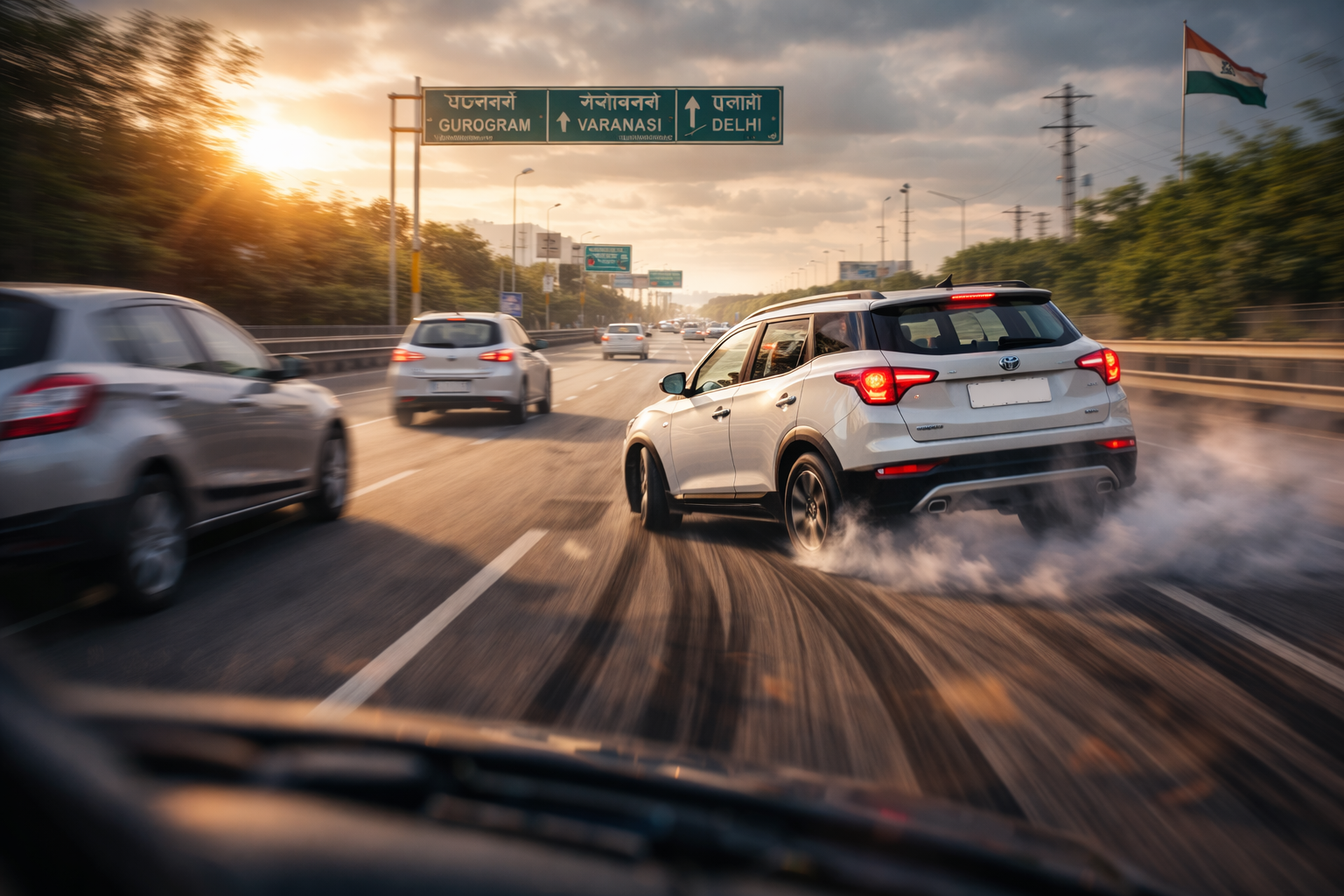
In the last three months the roads of Delhi-NCR have begun to resemble corridors of grief. Every week brings news of another young man crushed on a flyover. Another pedestrian knocked down while crossing the road. Another family waiting outside an emergency ward only to be told that their loved one did not survive. These are not distant statistics. These are fractured lives.

A 24-year-old man died after a suspected hit and run on a Ring Road flyover in Delhi. His friend was injured. The vehicle that hit them fled. In Gurgaon a 31-year-old man returning from a night shift was killed on the expressway. The driver disappeared into the darkness. In East Delhi a 76-year-old man walking to work was struck by an SUV and later succumbed to injuries. In Dwarka a grieving mother alleged that her 23-year-old son lost his life because a minor was driving recklessly to shoot social media stunts.

Each incident carries its own tragedy. But together they tell a larger story. Delhi-NCR is witnessing an alarming surge in deadly driving. The victims are not reckless racers. They are ordinary citizens. Students. Workers. Elderly men walking to earn a living. Women riding pillion with their husbands. In many cases the deceased was the only child. In some homes the sole breadwinner is gone. Behind every police report is a family that will never be the same again.

The broader numbers reinforce the grim pattern. Delhi recorded more than 1,600 road deaths last year. Fatal accidents rose despite campaigns and penalties. In neighbouring districts like Ghaziabad and parts of western Uttar Pradesh crashes occur almost daily. The frequency may differ across NCR cities but the direction is the same. Upward.

Why are we here.

One reason is speed. Our roads are designed for fast movement of vehicles. Not for protection of pedestrians. Not for the safety of cyclists. Overspeeding continues to be one of the leading causes of fatal accidents. Helmets are ignored. Seat belts are treated as optional. Lane discipline collapses under impatience. The culture of haste has replaced the culture of care.

Another factor is enforcement. Challans are issued. Cameras are installed. Yet compliance remains uneven. Fear of penalty lasts for a few days. Then habits return. The certainty of punishment is often weaker than the certainty of risk.

There is also a new and troubling dimension. Social media validation. Young drivers performing stunts from sunroofs or racing for viral clips are not merely risking their own lives. They are weaponising vehicles on public roads. A moment of thrill becomes a lifetime of regret for someone else. When applause from strangers matters more than responsibility towards fellow citizens we must pause and reflect.

Infrastructure too has its role. Several arterial stretches in Delhi and NCR have high fatality counts. Wide carriageways without adequate pedestrian crossings encourage speed. Poor lighting and missing signage add to danger. Stray cattle wandering onto busy roads create sudden hazards. A split second is enough.

But beyond policy and policing lies a deeper question. Are we becoming indifferent to the value of human life. News of road deaths no longer shocks us for long. We scroll past them. We sigh. We move on. The normalisation of tragedy is perhaps the most worrying sign.

Road safety is not a technical issue alone. It is a moral issue. It reflects how we see one another in public spaces. Do we see a pedestrian as a fellow citizen or as an obstacle. Do we see a traffic signal as a collective discipline or as an inconvenience.

Delhi-NCR is the national capital region. It sets standards for the country. It cannot afford to normalise reckless wheels and fractured lives. Law enforcement must become consistent and visible. Road engineering must prioritise safety over speed. Schools and colleges must integrate road ethics into civic education. Families must speak about responsibility before handing over car keys.

Most importantly citizens must rediscover restraint.

Every life lost on the road leaves behind unanswered questions. What if the driver had slowed down. What if the helmet had been worn. What if the signal had been obeyed. These are small acts. Yet they separate life from death.

If we continue to ignore the warning signs the toll will rise. More homes will fall silent. More parents will stand by hospital beds. More children will grow up without fathers or mothers.

We cannot allow our roads to become sites of routine mourning. The wheels must slow down before more lives are fractured beyond repair.


If You Like This Story, Support NYOOOZ

NYOOOZ SUPPORTER

NYOOOZ FRIEND

Your support to NYOOOZ will help us to continue create and publish news for and from smaller cities, which also need equal voice as much as citizens living in bigger cities have through mainstream media organizations.


Stay updated with all the Delhi Latest News headlines here. For more exclusive & live news updates from all around India, stay connected with NYOOOZ.

Related Articles