When Citizens are treated like enemies, democracy must ask why

  • | Saturday | 10th October, 2026

BY-Alok Verma

Delhi`s extraordinary security restrictions amid protests over electoral rolls raise fundamental questions about institutional accountability, citizens` rights and the government`s approach to democratic dissent.

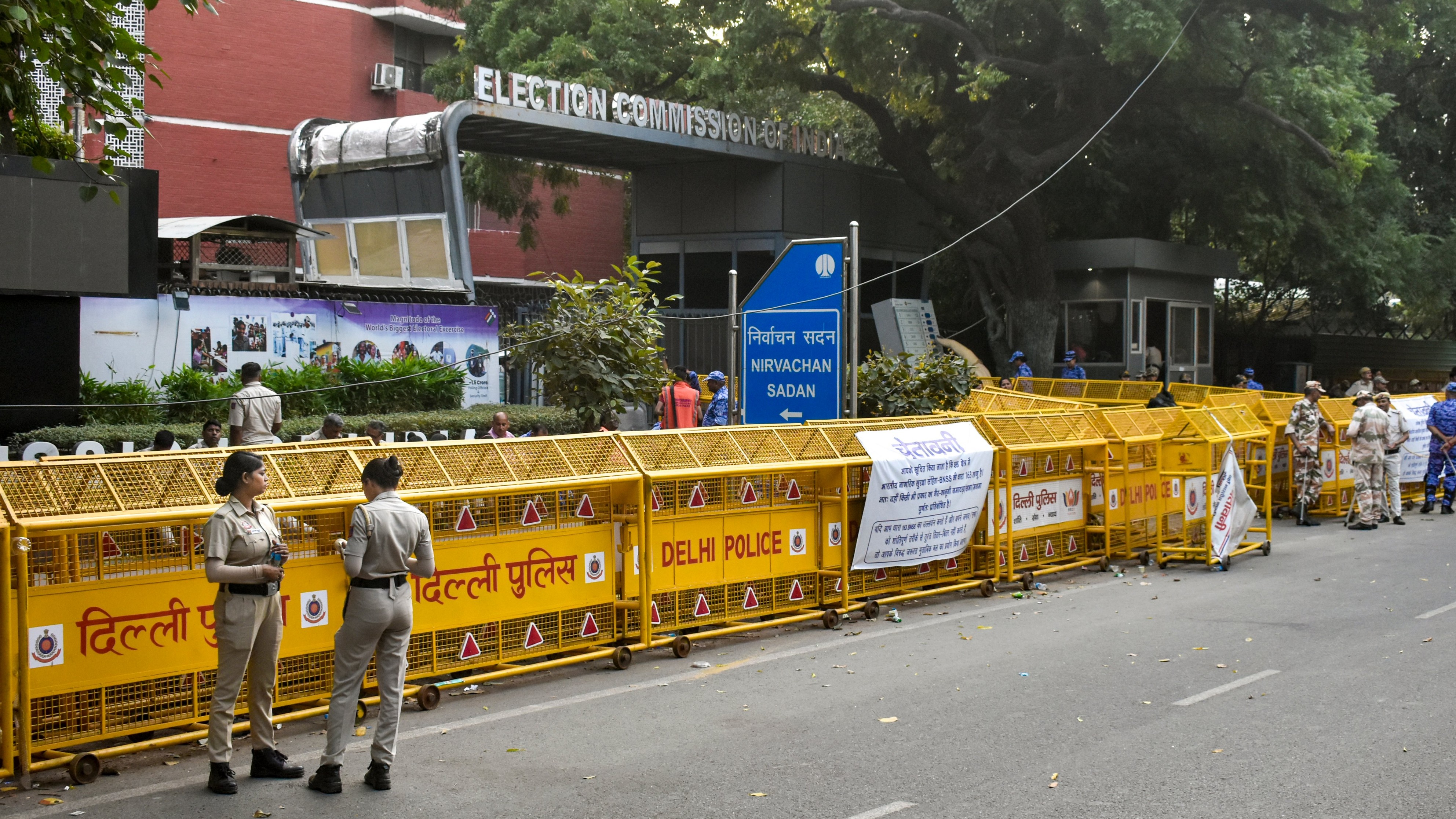
The national capital of the world`s largest democracy presents a disturbing spectacle. Thousands of security personnel, barricaded roads, restrictions on Metro services and mobile internet and extraordinary security arrangements have transformed parts of Delhi into what resembles a city preparing to confront a hostile force. Yet those confronting this formidable display of state power are not foreign adversaries. They are Indian citizens, including young people and senior citizens, seeking answers from the Election Commission about an electoral revision exercise they believe threatens their democratic rights. When a democratically elected government responds to public questioning with such overwhelming security arrangements, it raises a fundamental question about how the Indian republic understands its relationship with the people it exists to serve.

The immediate controversy concerns the Election Commission`s Special Intensive Revision (SIR) of electoral rolls but public unease extends beyond voter verification. Electoral rolls must be accurate and the Commission has the constitutional authority and responsibility to remove ineligible entries. The Supreme Court has upheld its authority to undertake SIR. However, the dispute concerns how that authority is exercised, the safeguards available to legitimate voters and the transparency with which apprehensions are addressed. With approximately 13 crore names reportedly excluded from draft electoral rolls across multiple states and Union Territories, the possibility of wrongful exclusions demands serious scrutiny. Not every deletion constitutes disenfranchisement but every eligible citizen wrongly excluded represents a democratic failure requiring prompt correction.

These concerns have acquired greater significance because distinguished jurists and former election administrators have questioned aspects of the exercise. Sitting Supreme Court Justice Ujjal Bhuyan recently cautioned that mass disenfranchisement would be intrinsically arbitrary, comparing the separation of citizenship from voting rights to taking the soul out of the body. Former Supreme Court Justice Rohinton Fali Nariman questioned the Commission`s functioning, observing that the country cannot afford an Election Commission that malfunctions. Former Justice V. Gopala Gowda has raised serious allegations concerning representations made by the Commission before the Supreme Court. While these observations and allegations are not judicial findings of wrongdoing, they demonstrate why public apprehensions cannot be dismissed merely as politically motivated criticism.

Similar concerns have emerged from former election commissioners whose experience lends institutional weight to the debate. Former Election Commissioner Ashok Lavasa has questioned the conceptual basis of SIR, particularly the burden placed on existing voters to establish eligibility afresh. Former Chief Election Commissioner S.Y. Quraishi has questioned verification and restoration procedures, while former CEC O.P. Rawat has expressed reservations about the timing and implementation of the exercise. Other former judges have defended the Commission, which maintains that SIR is necessary for electoral integrity. Such disagreement makes transparency even more important. An institution entrusted with safeguarding universal adult suffrage must explain its decisions with exceptional clarity, particularly when millions of citizens may be affected.

Constitutional independence is indispensable to the Election Commission but independence cannot mean insulation from accountability. Citizens deserve clear explanations about exclusions, evidentiary standards, corrective procedures and safeguards against arbitrary decisions. The Commission should publish comprehensible deletion and restoration data, disclose the grounds for disputed decisions and ensure accessible, time-bound remedies for eligible voters. Institutional credibility grows through demonstrable fairness, not expectations of unquestioning acceptance. Even allegations eventually found unreasonable deserve reasoned responses when they concern citizens` electoral rights.

It is against this background of unresolved public apprehensions that the government`s response to demonstrations becomes particularly troubling. Delhi Police has cited procedural violations and public-order considerations to justify restrictions. Maintaining security is unquestionably a legitimate responsibility but measures disrupting transportation, communications and ordinary civic life require convincing justification and proportionality. What identifiable threats necessitated such extensive restrictions? Were less disruptive arrangements considered? When a capital city is fortified against its own citizens, the impression is that dissent is being approached primarily as a security problem rather than an expression of democratic participation.

A government need not agree with protesters, accept every allegation or compromise public safety. It must, however, distinguish peaceful dissent from genuine threats. Even politically motivated protests, exaggerated apprehensions and unreasonable demands deserve a civil hearing. Democratic leadership requires patience, restraint and a willingness to explain, particularly when citizens distrust public institutions. A conciliatory approach does not diminish governmental authority; it reinforces the legitimacy from which that authority flows.

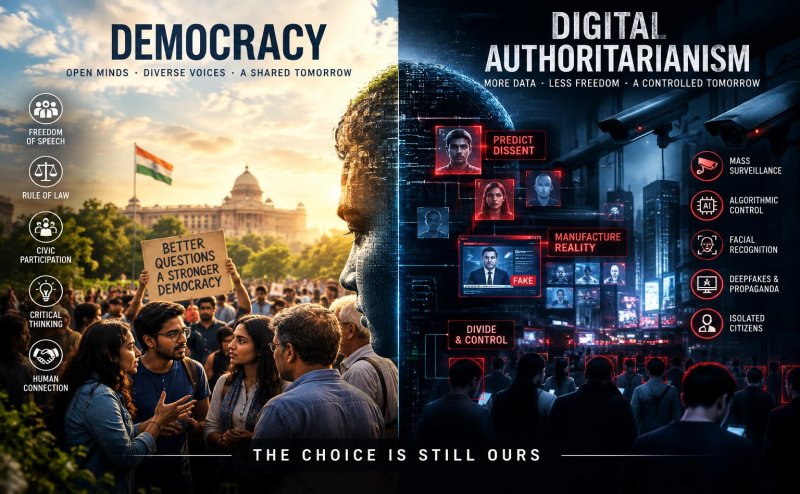
India`s democratic strength cannot be measured merely by conducting elections or maintaining constitutional institutions. It must also be judged by how those institutions respond when citizens question their decisions. The Election Commission owes the electorate transparency and accessible remedies. The government owes citizens sensitivity, restraint and meaningful space for peaceful dissent.

A republic loses something precious when citizens must confront barricades simply to seek answers from institutions created to protect their rights. Democracy demonstrates its strength not by making dissent difficult, but by ensuring that those who question authority are never made to feel like enemies of their own country.


If You Like This Story, Support NYOOOZ

NYOOOZ SUPPORTER

NYOOOZ FRIEND

Your support to NYOOOZ will help us to continue create and publish news for and from smaller cities, which also need equal voice as much as citizens living in bigger cities have through mainstream media organizations.


Stay updated with all the Delhi Latest News headlines here. For more exclusive & live news updates from all around India, stay connected with NYOOOZ.

Related Articles