Widening chasm between political elite & common man is a threat to governance & social equity

  • | Thursday | 11th July, 2024

BY Alok Verma

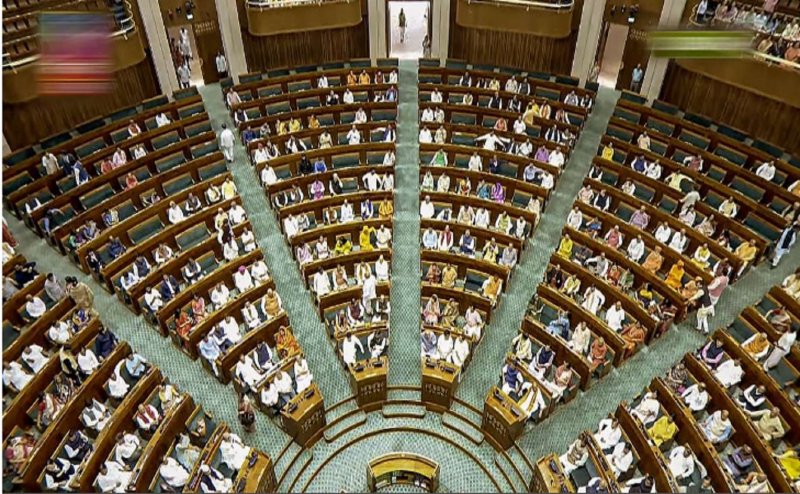
The increasing wealth of Members of Parliament in India stands in stark contrast to the economic hardships faced by the majority of electorate. While politicians continue to amass wealth, the general population grapples with poverty, unemployment, and financial instability.

According to the World Bank, despite significant economic growth, a substantial portion of India`s population still lives below the poverty line, and unemployment rates remain a persistent issue.

This growing divide between the political elite and the electorate has profound implications for governance and social equity. The wealthy MPs are often perceived as being out of touch with the needs and aspirations of the common people. Their policies and decisions are seen as favouring the affluent and failing to address the systemic issues of poverty, health, social justice, empowerment, unemployment, education and inequality.

In the world`s largest democracy, India, the political landscape is heavily skewed in favour of the affluent. An examination of the wealth profiles of the members of Parliament (MPs) reveals a startling reality: out of 543 newly elected MPs, a staggering 315 MPs are billionaires. This statistic underscores a deeper, more troubling narrative about the barriers to entry in Indian politics and the widening chasm between the political elite and the common populace.

The exorbitant cost of electoral campaigns in India acts as a formidable barrier for the common man. The Election Commission of India (ECI) has set expenditure limits for candidates contesting Lok Sabha elections, but these limits are often exceeded, with actual campaign spending soaring into the tens or even hundreds of crores. This high financial threshold effectively excludes those without substantial wealth or influential backing from participating in the electoral process.

This economic barrier ensures that only individuals with significant financial resources, political legacies, or both can realistically aspire to political office. The current composition of Parliament reflects this reality, with a preponderance of wealthy MPs. Among the leading parties the Bhartiya Janata Party (BJP) has 228 out of 240 MPs, who are billionaires. This highlights the party`s reliance on affluent candidates who can bankroll their own campaigns and contribute to the party`s coffers.

Similarly, the Indian National Congress (INC) has 92 MPs out of its 99 MPs, who are billionaires. This indicates that wealth is a critical factor in securing a candidacy and winning elections across party lines.

Political Dynasties and Muscle Power

The dominance of affluent individuals in politics is further bolstered by the prevalence of political dynasties and the influence of muscle power. Many MPs come from established political families, where wealth and political connections are inherited. This creates a self-perpetuating cycle where political power remains concentrated within a select group of families.

Additionally, the role of muscle power in Indian elections cannot be overlooked. Candidates with the backing of local strongmen or criminal elements often possess both the financial resources and the coercive power to secure votes, further marginalizing the common man from the political process.

Re-election often serves as a means for MPs to further increase their wealth. The nexus between business and politics is well-documented, with many MPs having significant business interests. Political power can be leveraged to secure business deals, contracts, and favourable policies, creating opportunities for wealth accumulation.

A study by the Association for Democratic Reforms (ADR) found that the average assets of re-elected MPs increased substantially between terms. This asset appreciation raises questions about the sources of this wealth and the potential conflicts of interest it represents. The intersection of business and politics can lead to policies that prioritize personal or corporate gain over public welfare.

Implications for Democracy

The predominance of wealthy MPs has several adverse effects on Indian democracy such as:

Policy Bias: Policies may disproportionately favour the wealthy, exacerbating economic inequality. This can lead to a focus on issues that benefit the affluent, such as tax breaks for the rich and pro-business reforms, rather than addressing fundamental issues like poverty alleviation and employment generation.

Reduced Representation: The interests of the common man are underrepresented in Parliament. This can result in legislation that fails to address the pressing needs of the majority, such as affordable healthcare, education, and social security.

Erosion of Trust: The perception that political power is concentrated among the wealthy can erode public trust in democratic institutions. When people feel that their representatives are disconnected from their daily struggles, it can lead to disillusionment and apathy towards the political process

The overwhelming presence of billionaires in India`s Parliament highlights the significant barriers to entry for ordinary citizens in the political arena. This concentration of wealth among MPs not only skews policy priorities but also widens the socio-economic divide. For democracy to truly represent the will of the people, it is imperative to create an inclusive political environment that allows individuals from all walks of life to participate and contribute. Achieving this requires comprehensive electoral reforms, the promotion of grassroots leadership, and a commitment to transparency and accountability in political processes. Only then can the vision of a truly representative democracy be realized.


If You Like This Story, Support NYOOOZ

NYOOOZ SUPPORTER

NYOOOZ FRIEND

Your support to NYOOOZ will help us to continue create and publish news for and from smaller cities, which also need equal voice as much as citizens living in bigger cities have through mainstream media organizations.


Stay updated with all the Delhi Latest News headlines here. For more exclusive & live news updates from all around India, stay connected with NYOOOZ.

Related Articles